Beyond the Screen: The Otherworldly Surprise of Quobba Blowholes
Located about 75km north of Carnarvon, the Quobba Blowholes is a spot that will leave both you and your kids absolutely speechless. It’s dramatic, it’s loud, and it’s a powerful reminder of the raw energy of the Western Australian coast. But to see it at its best, you have to look beyond the digital screen.
The Main Event: High Tide Magic
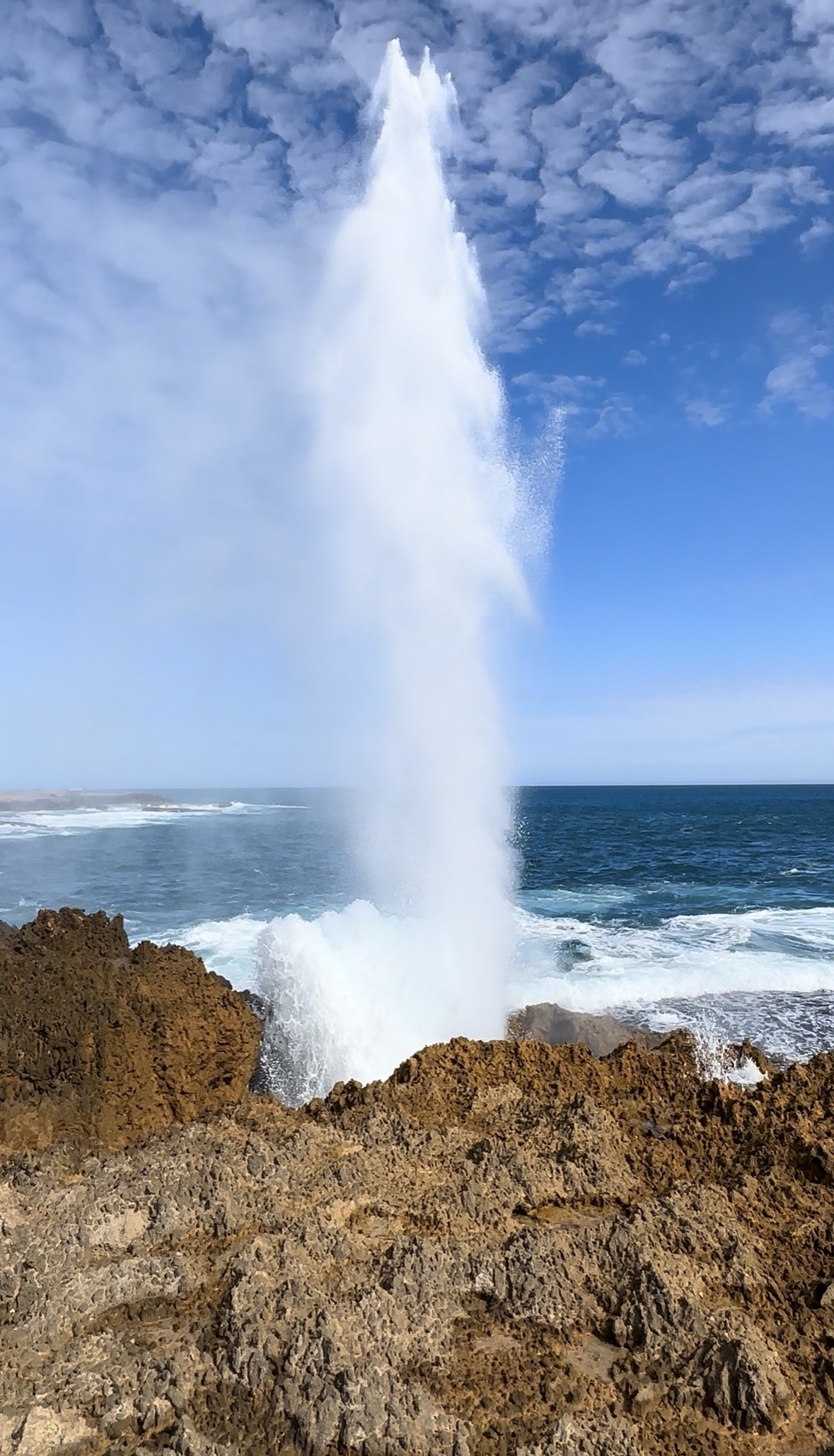
The Quobba Blowholes are a natural phenomenon where ocean swells are forced through narrow sea caves and up through holes in the rock, resulting in spectacular jets of water that can spray up to 20 meters into the air. The sound is like a jet engine, and the mist can be felt from a safe distance away.
If you arrive at high tide, the blowholes are an awesome sight to see. It is so much more powerful than any image you’ll find on the web or Instagram. Imagine standing on ancient limestone, the ground vibrating beneath your feet as a massive swell hits the coast. Suddenly, a thunderous WHOOSH echoes through the air, and a pillar of white water erupts from the rock. It’s a sensory experience like no other.
⚠️ CRITICAL SAFETY
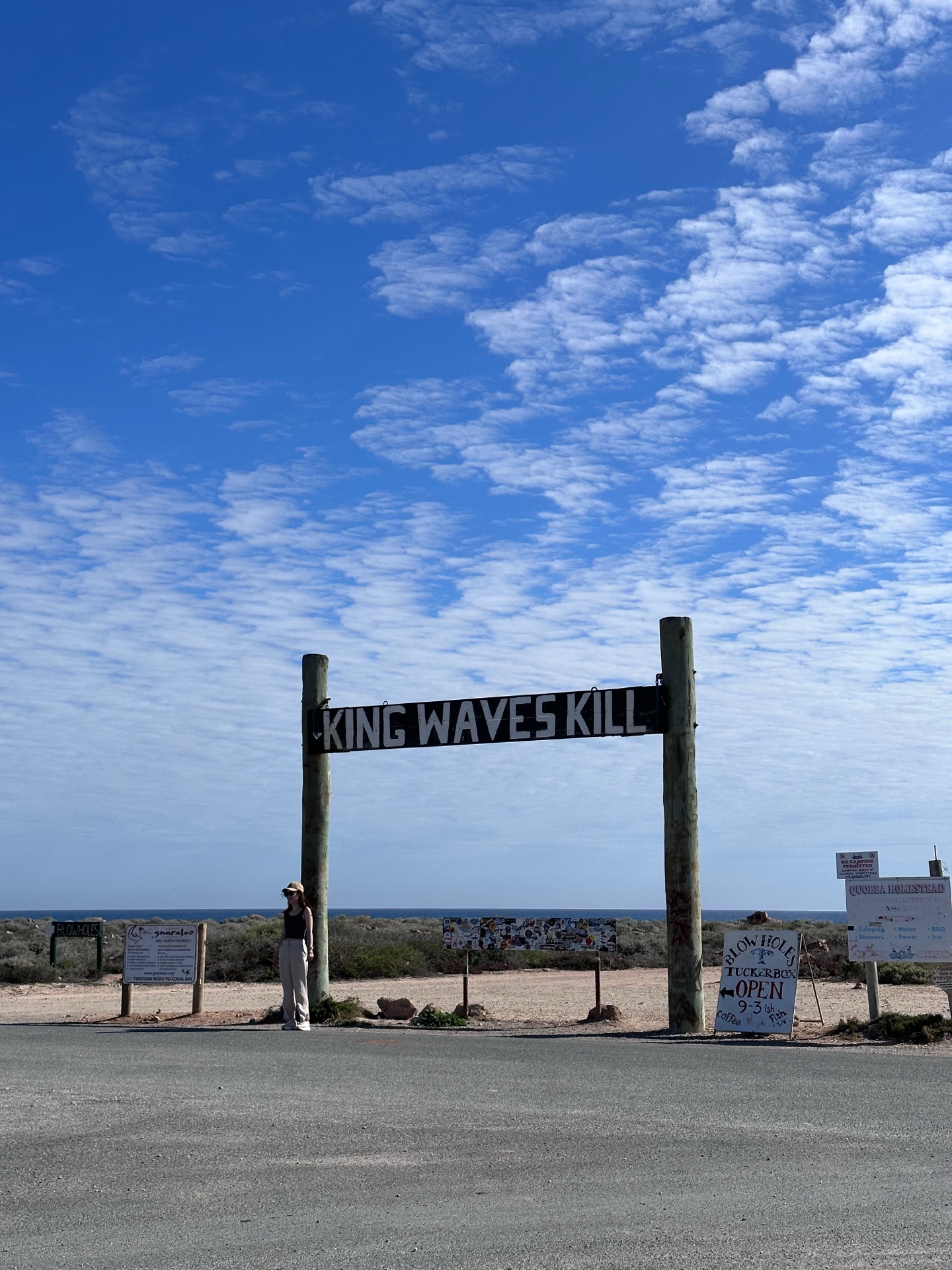
The “King Waves Kill” signs are not a joke. This coastline is notorious for massive, unpredictable waves that can sweep people off the rocks in an instant. Always stay well back from the edge and never turn your back on the ocean.
💡 PRO TIP: TIMING
The blowholes perform best when the tide is surging in towards high tide. Check the local tide charts at WillyWeather Carnarvon before you head out!
An Otherworldly Landscape
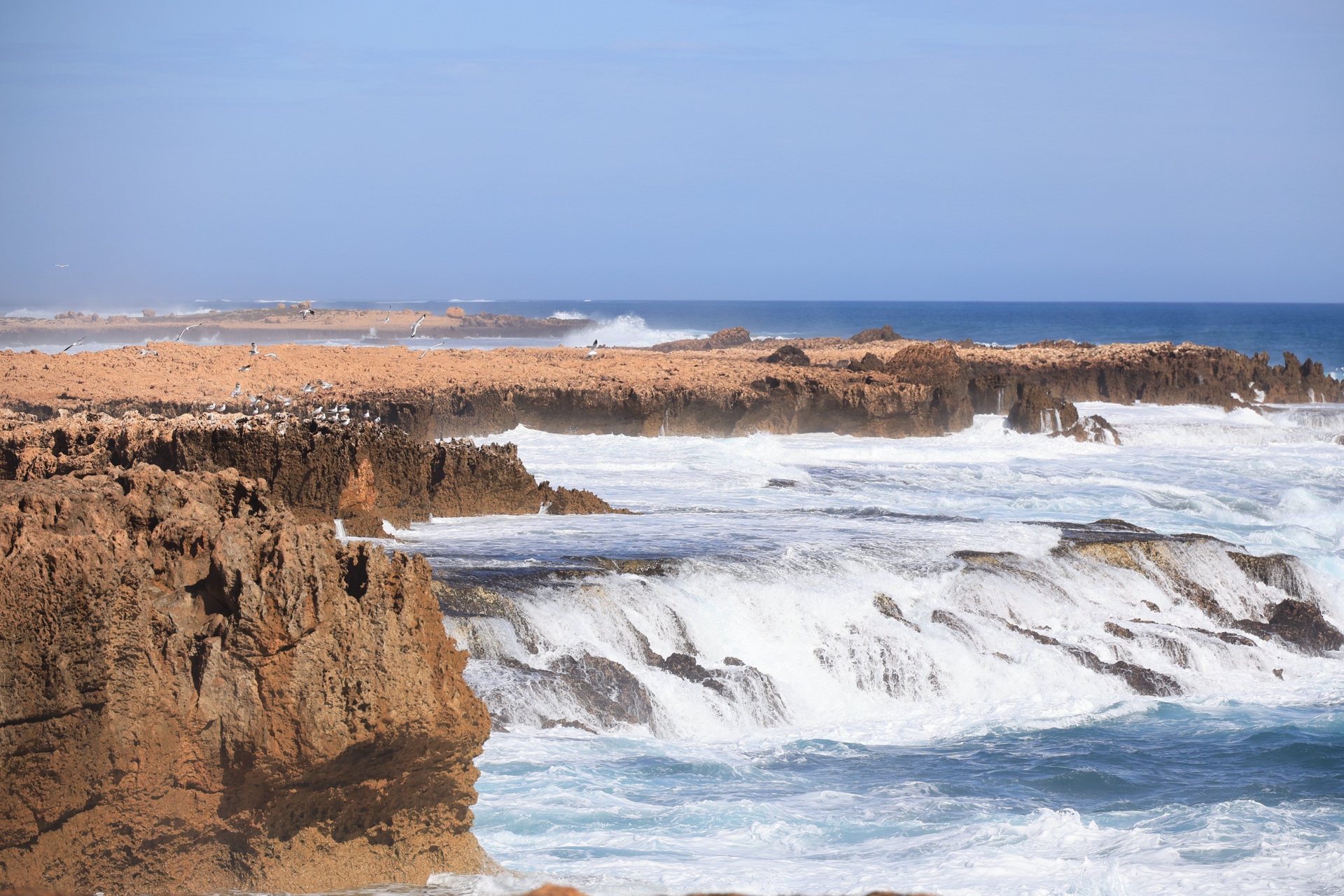
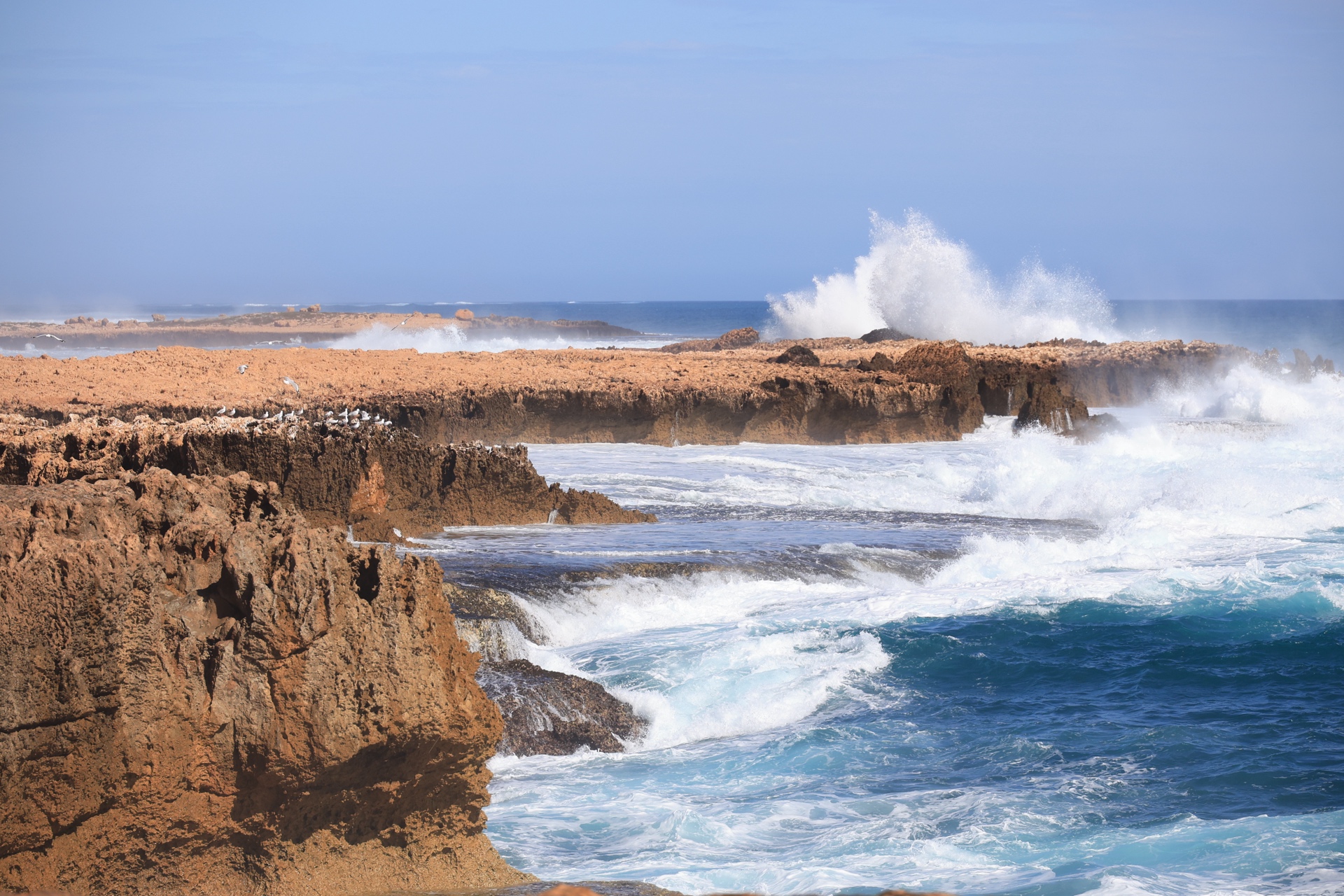
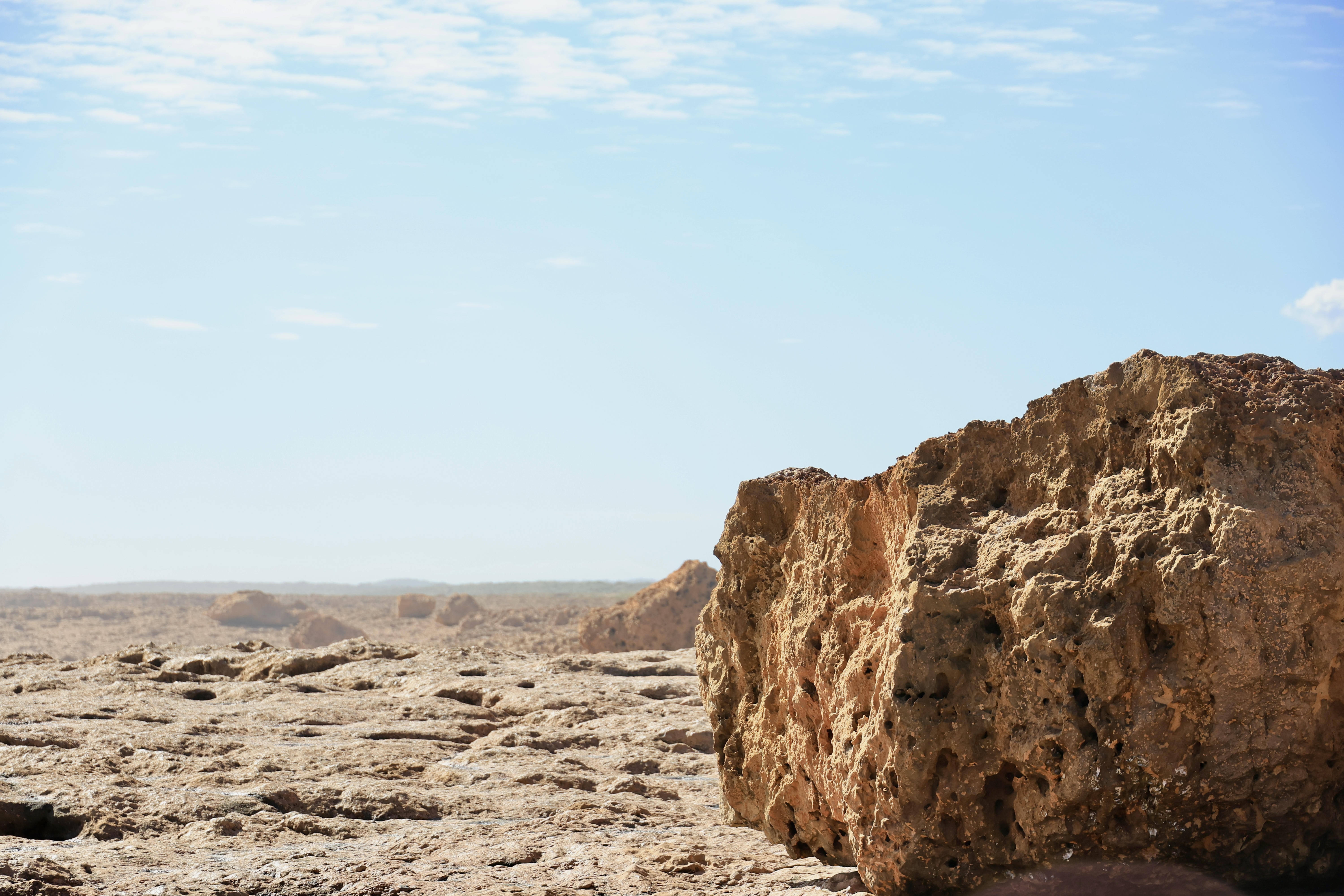
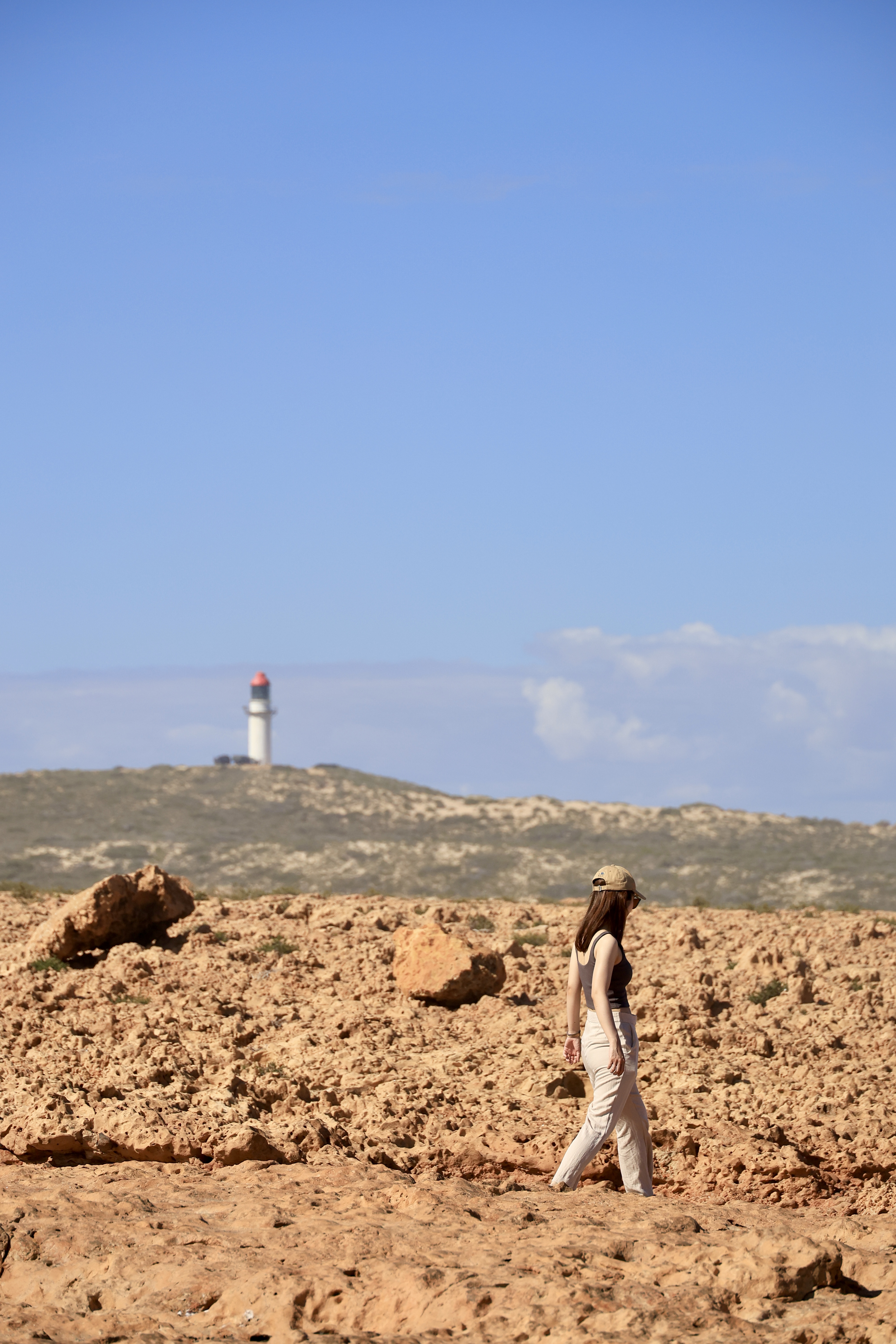
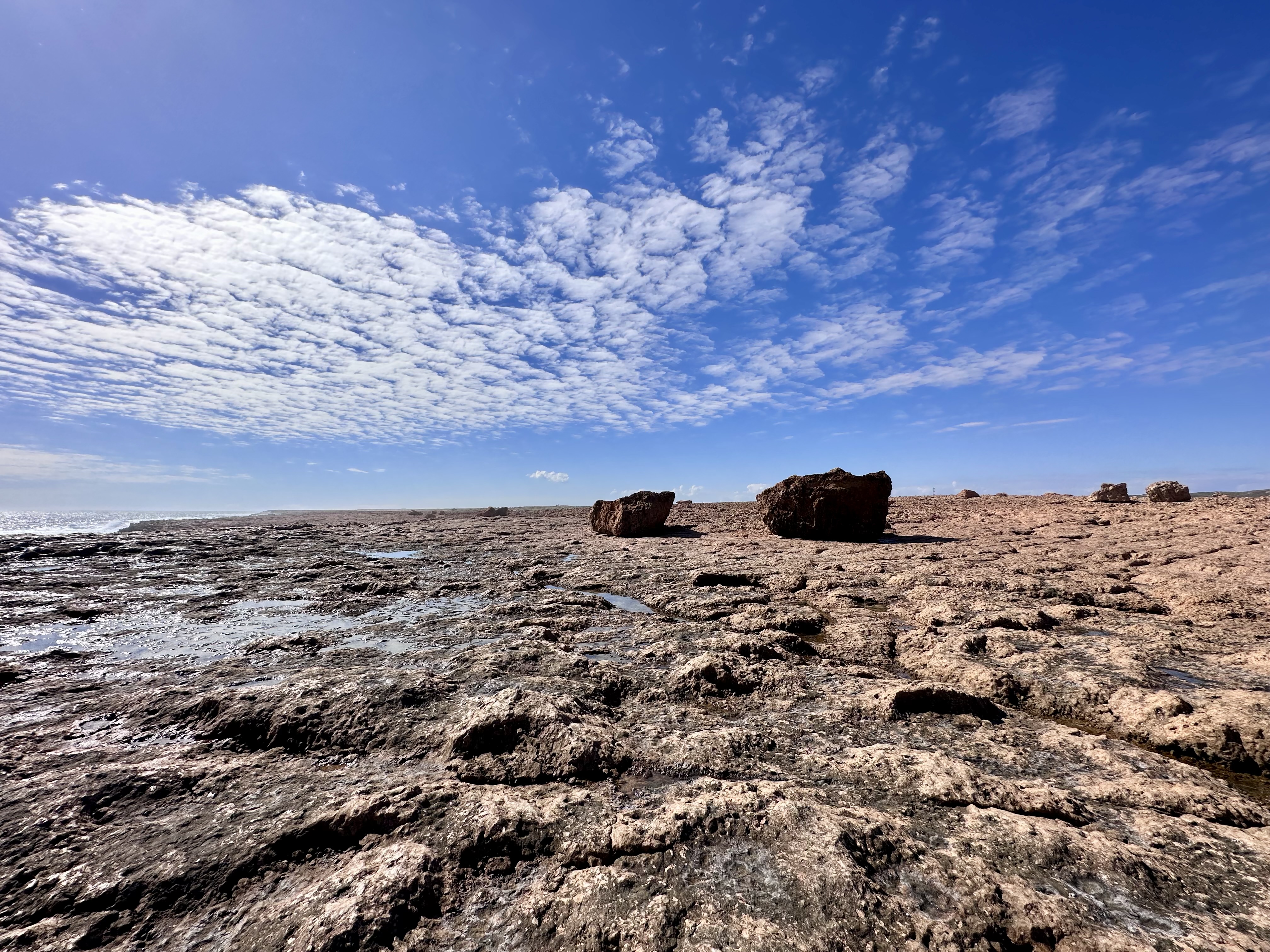
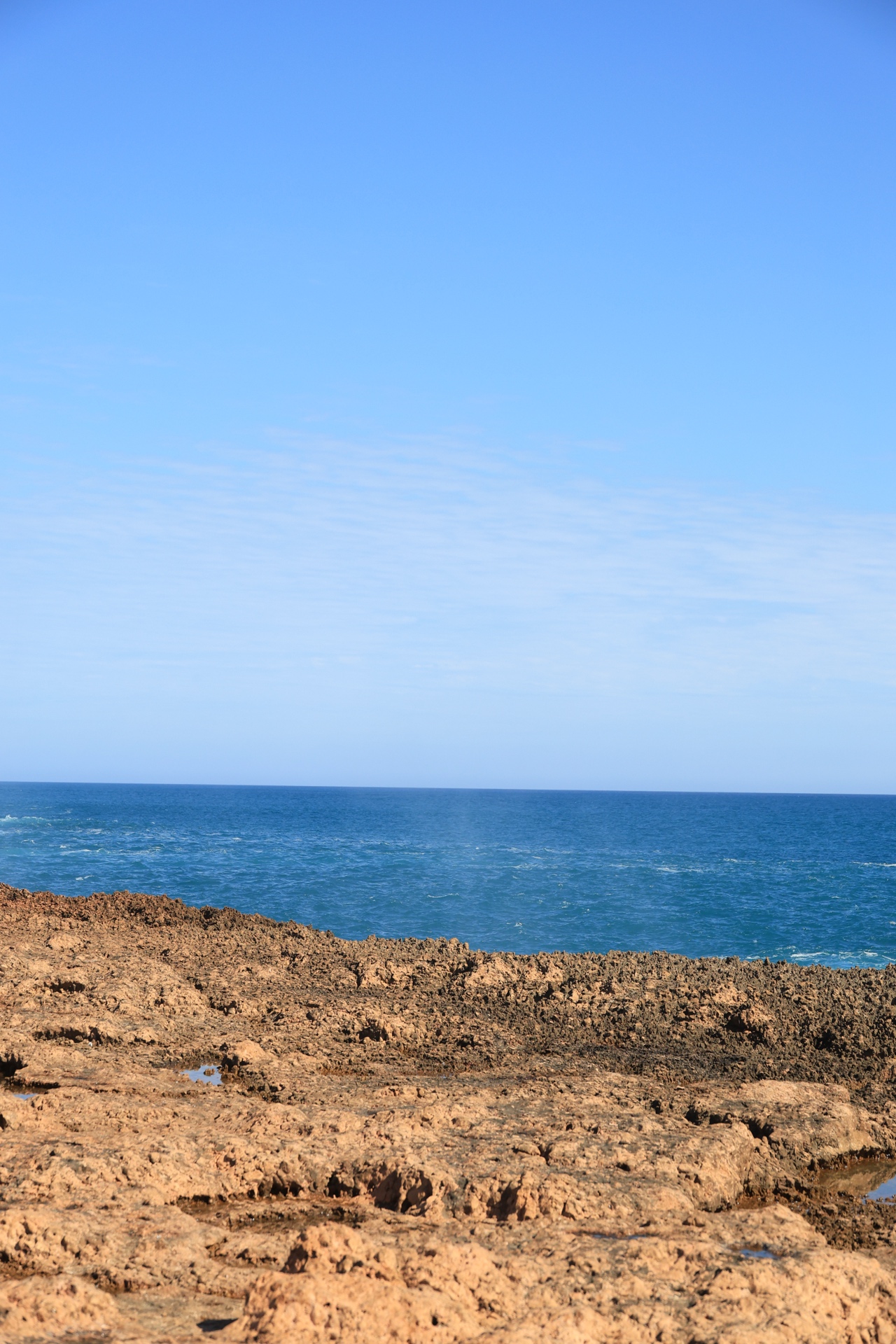
Beyond the blowholes, the entire Quobba coastline is a masterpiece of geology. The contrast between the deep blue ocean and the sharp, orange-hued rocks is a photographer’s dream. We took the walk up towards the lighthouse, which offers an incredible panoramic view of the entire area.
The terrain is rugged and ancient, with limestone formations that have been carved by the wind and sea over millions of years. As you walk, you’ll notice the intricate textures of the rock—sharp edges, deep crevices, and the occasional fossilized shell embedded in the stone. It truly feels like stepping onto another planet.
The History of Quobba Station
The blowholes are located on the grounds of the historic Quobba Station, a working pastoral station that has been in operation since 1898. The station covers over 180,000 acres and is home to thousands of Damara sheep. Staying at the station homestead offers a unique glimpse into the life of an outback pastoralist.
Nearby, you’ll also find the HMAS Sydney II Memorial Cairn. This poignant memorial overlooks the area where the HMAS Sydney II was lost in 1941. It’s a quiet, reflective spot that adds a layer of historical depth to your visit.
Packing for the Edge of the World
- Sturdy Footwear (No thongs!)
- Reef-Safe Sunscreen
- Windbreakers for the kids
- Plenty of Water
- First Aid Kit
- GoPro or Camera
The Science Behind the Spray
Over millions of years, the relentless force of the Indian Ocean has carved out deep sea caves into the ancient limestone cliffs. When a large ocean swell hits the coast, the water is forced into these narrow caves with incredible pressure. As the cave narrows, the water has nowhere to go but up, erupting through vertical shafts in the rock like a geyser.
Wildlife Spotting
During the winter months (June to October), the Quobba cliffs are a prime vantage point for spotting migrating Humpback Whales. Look up, and you might see majestic Ospreys or Sea Eagles soaring on the coastal thermals. It’s a thriving ecosystem that exists in perfect harmony with the fierce power of the ocean.