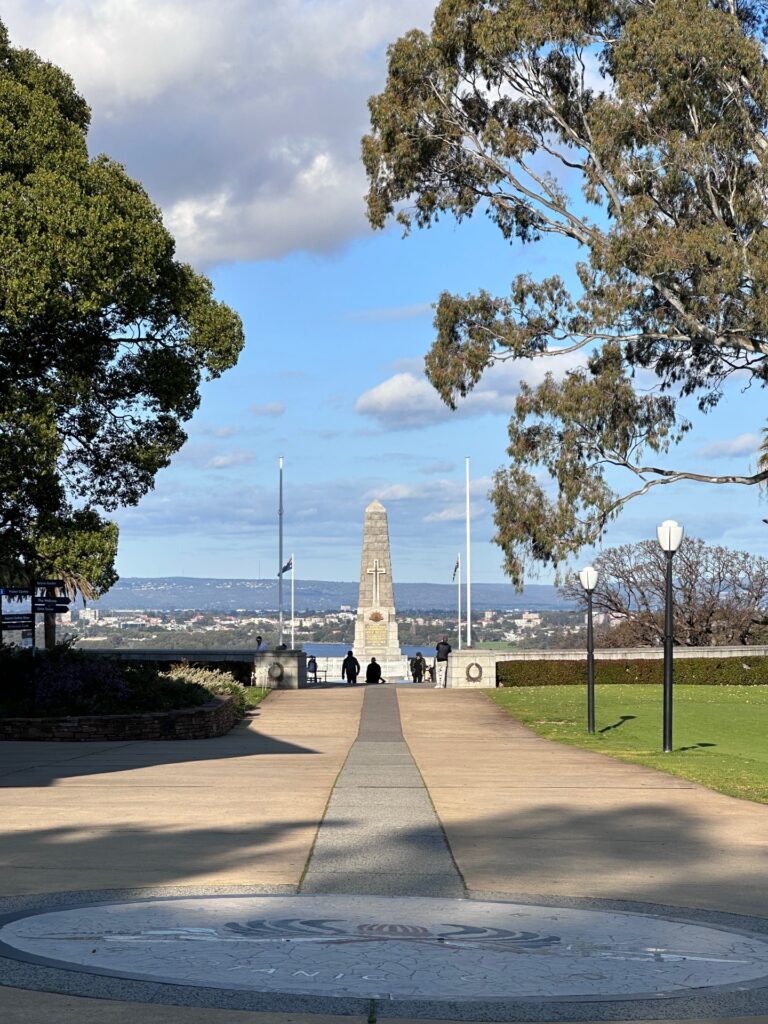
Western Australian Botanic Garden, Kings Park, Perth, WA: A Winter Wildflower Walk Worth Every Minute
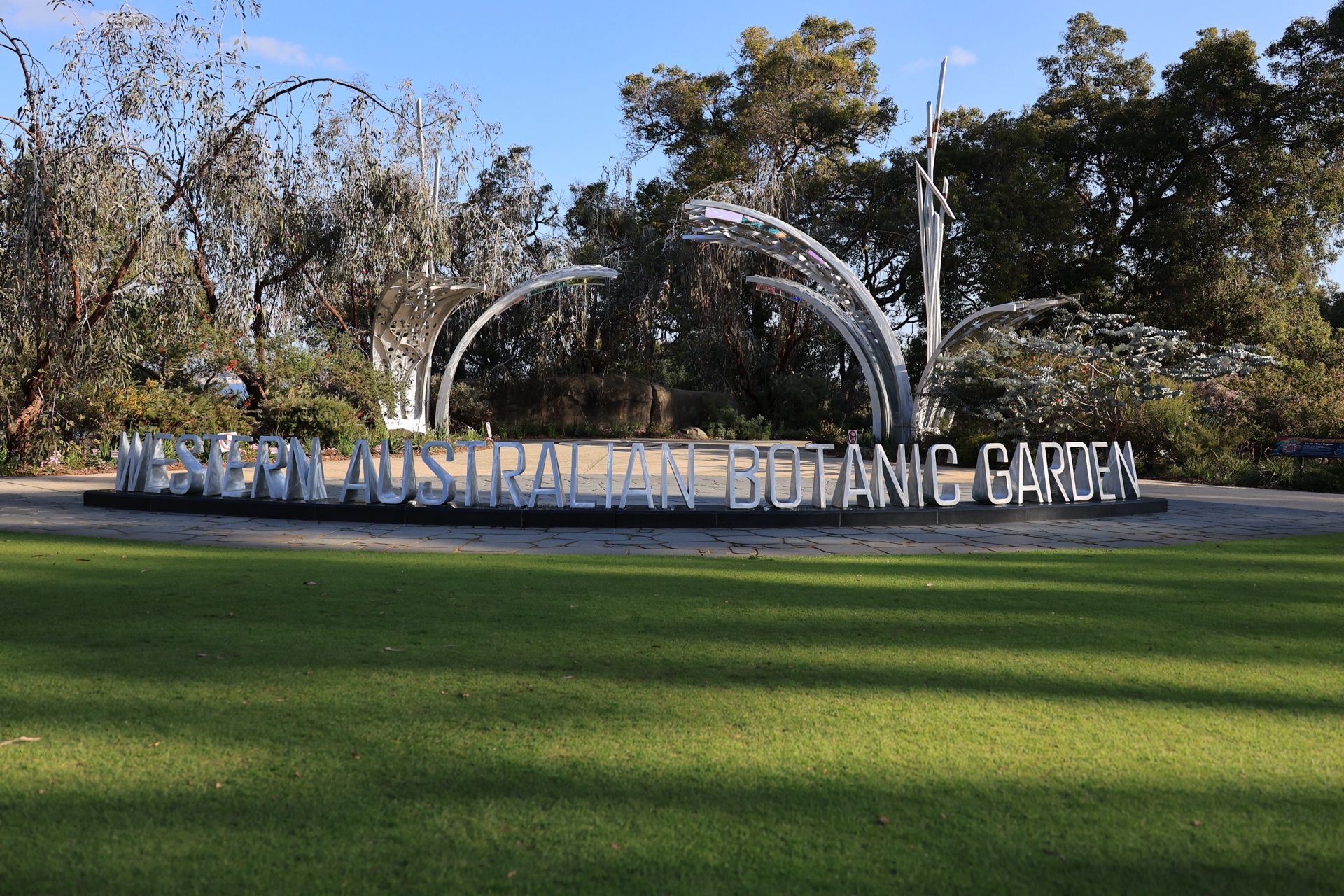
The iconic entrance sign and sculpture at the Western Australian Botanic Garden, Kings Park, Perth, WA.
What Is the Western Australian Botanic Garden?
The Western Australian Botanic Garden is an 18-hectare living collection of native flora situated within Kings Park, one of the world’s largest inner-city parks at 400.6 hectares.[1] It sits on the elevated ridge of Mount Eliza, overlooking the Swan River and the Perth central business district, and is managed by the Botanic Gardens and Parks Authority (BGPA), a state government authority.[2]
The garden was originally established to showcase Western Australian flora to visitors attending the 1962 British Empire and Commonwealth Games in Perth, though its official opening did not take place until 4 October 1965.[1] In 2025, the garden celebrated its 60th anniversary — a milestone that reflects six decades of conservation, botanical research, and public education.[3]
Today, the garden displays over 3,000 species of Western Australian flora, representing every major botanical region of the state — from the red sand country of the Pilbara to the cool, wet forests of the South West.[4] It is part of a worldwide network of botanic gardens committed to plant conservation, and its collections include species that are rare, threatened, or found nowhere else on Earth.
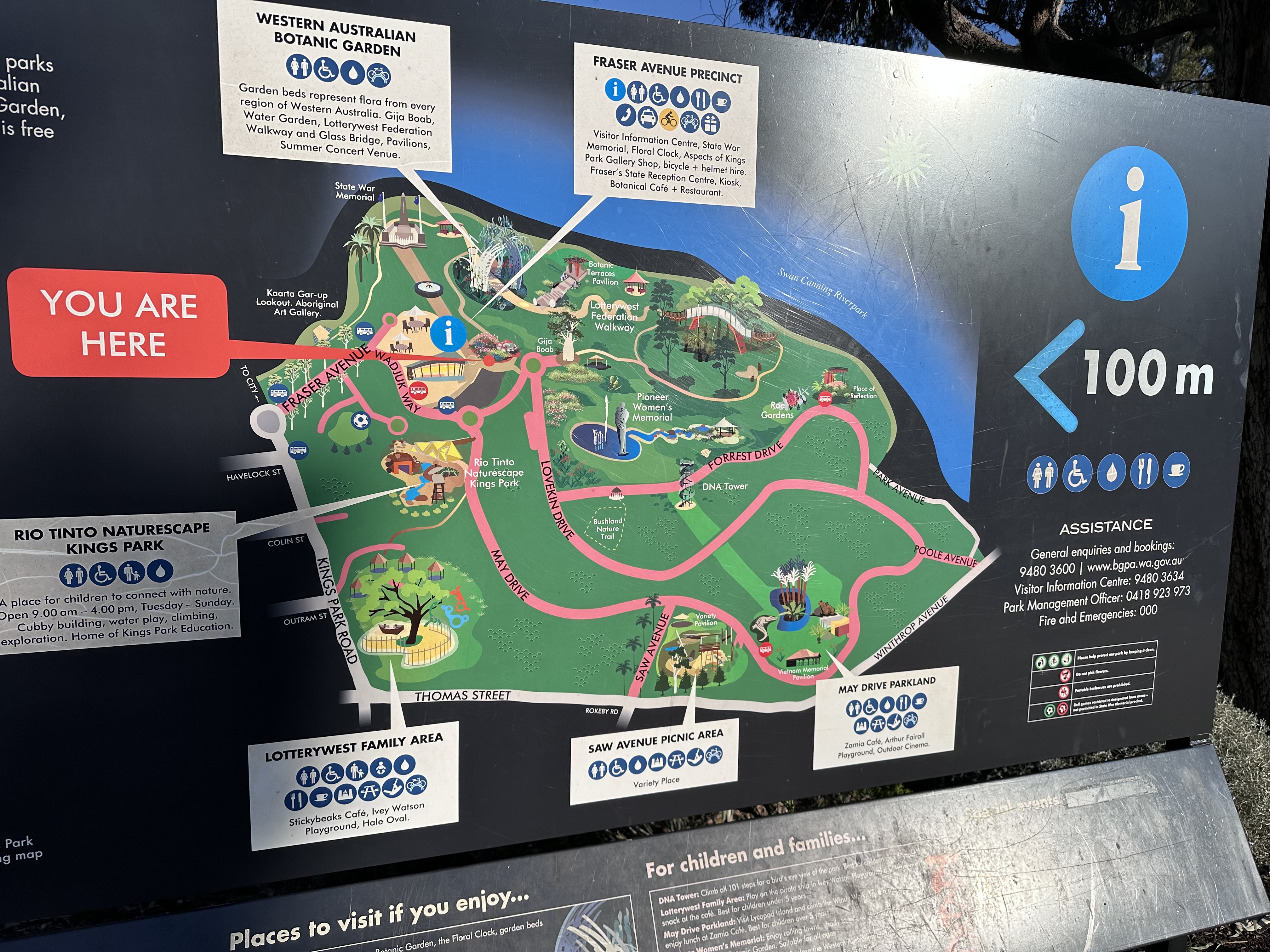
The Kings Park visitor map, showing the layout of the Western Australian Botanic Garden and surrounding precincts.
Why August Is the Right Time to Visit
Western Australia is globally recognised for its extraordinary wildflower diversity. The state is home to approximately 12,000 wildflower species, of which around 60 per cent are endemic — found nowhere else in the world.[5] The wildflower season runs broadly from July through to October, with the peak in the botanic garden typically occurring in August and September.
A mid-August visit places you squarely in the heart of the season. Perth in August is late winter: cool and dry, with daytime temperatures typically ranging from 8°C to 18°C. The light is low-angled and golden in the afternoon, which makes the yellow wattles and everlasting daisies glow in a way that is genuinely photogenic. The garden is not crowded at this time of year compared to the September Kings Park Festival period, which makes for a more relaxed family experience.
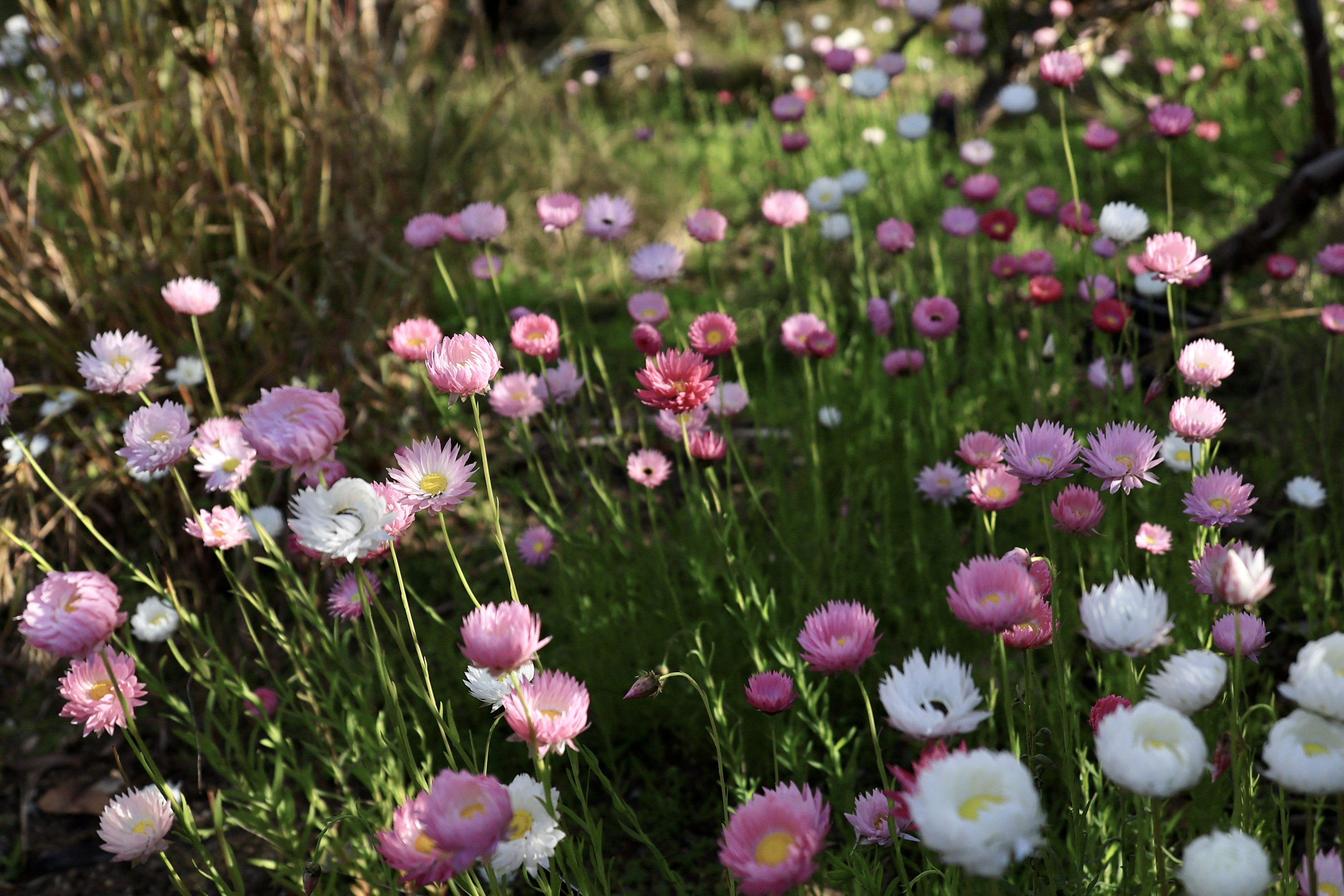
Everlasting daisies (Rhodanthe spp.) in full bloom during the August wildflower season.
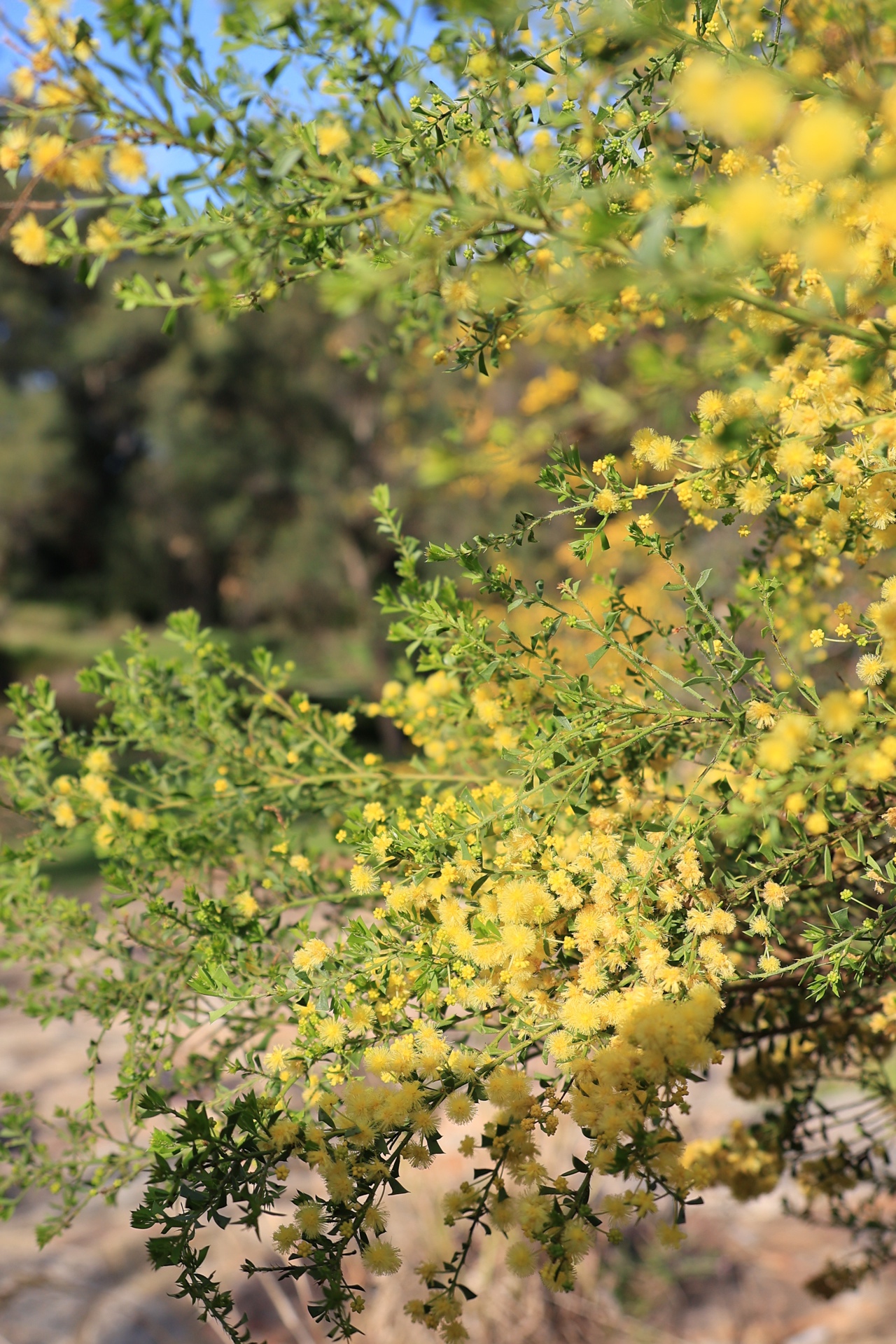
Yellow wattle (Acacia spp.) in full flower — one of the defining sights of a Perth winter.
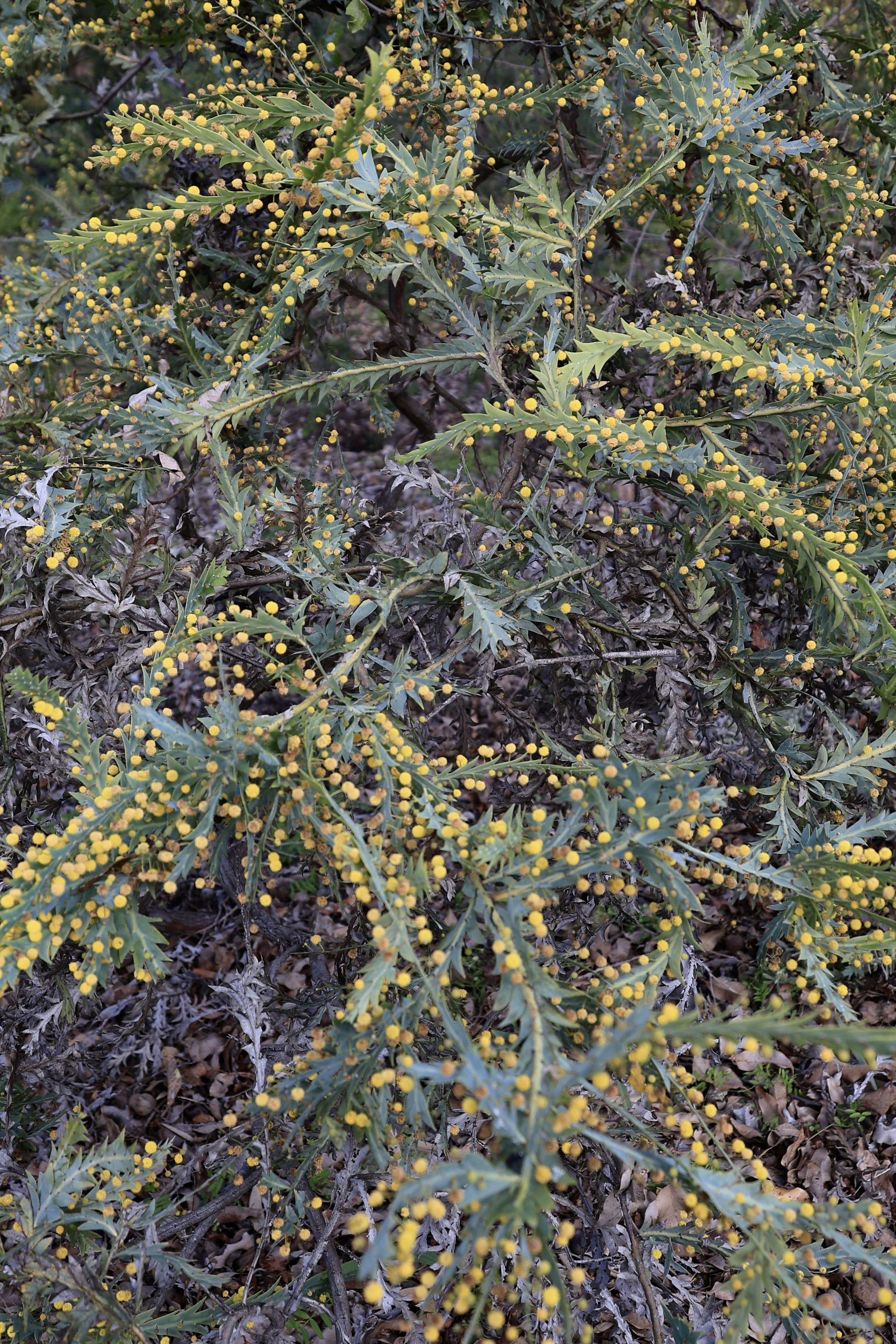
A silver-leafed wattle species with distinctive round yellow buds, characteristic of the WA winter flora display.
What You Will Actually See: The Flora Highlights
The garden is organised into regional collections, meaning that as you walk through, you move through the botanical landscapes of different parts of Western Australia. This is not a manicured English-style garden — it is a curated bushland, and it looks and feels like one. The paths wind through dense plantings, and at every turn there is something in flower.
In August, the dominant colour palette is yellow and gold from the wattles (Acacia spp.), punctuated by vivid blues and purples from leschenaultia (Lechenaultia biloba) and various Lobelia species, and warm pinks and whites from the everlasting daisies (Rhodanthe spp.). The orange and red pea flowers — likely Daviesia or Bossiaea species — add a fiery contrast against the grey-green foliage.
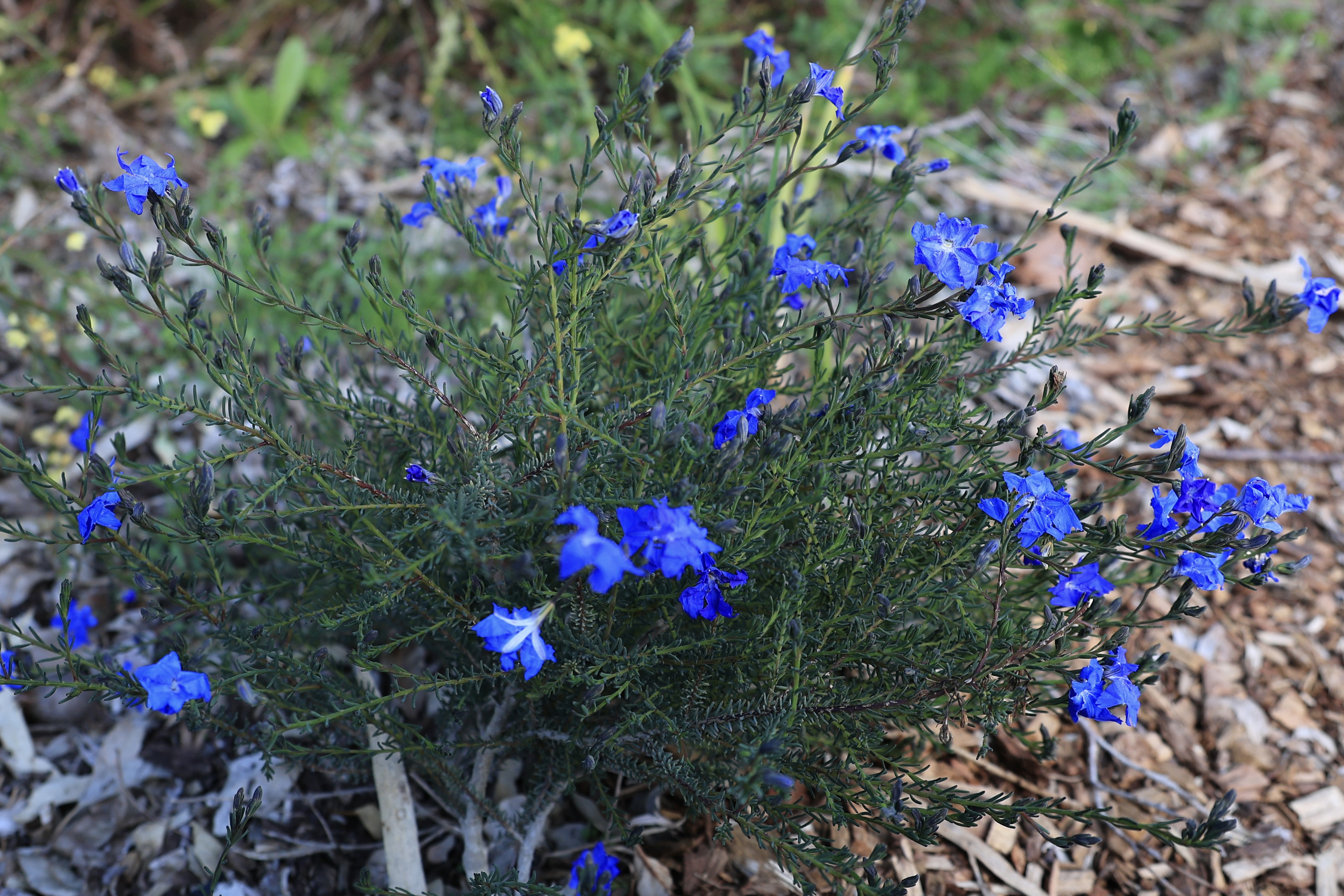
The vivid blue leschenaultia (Lechenaultia biloba), one of WA’s most recognisable native wildflowers.
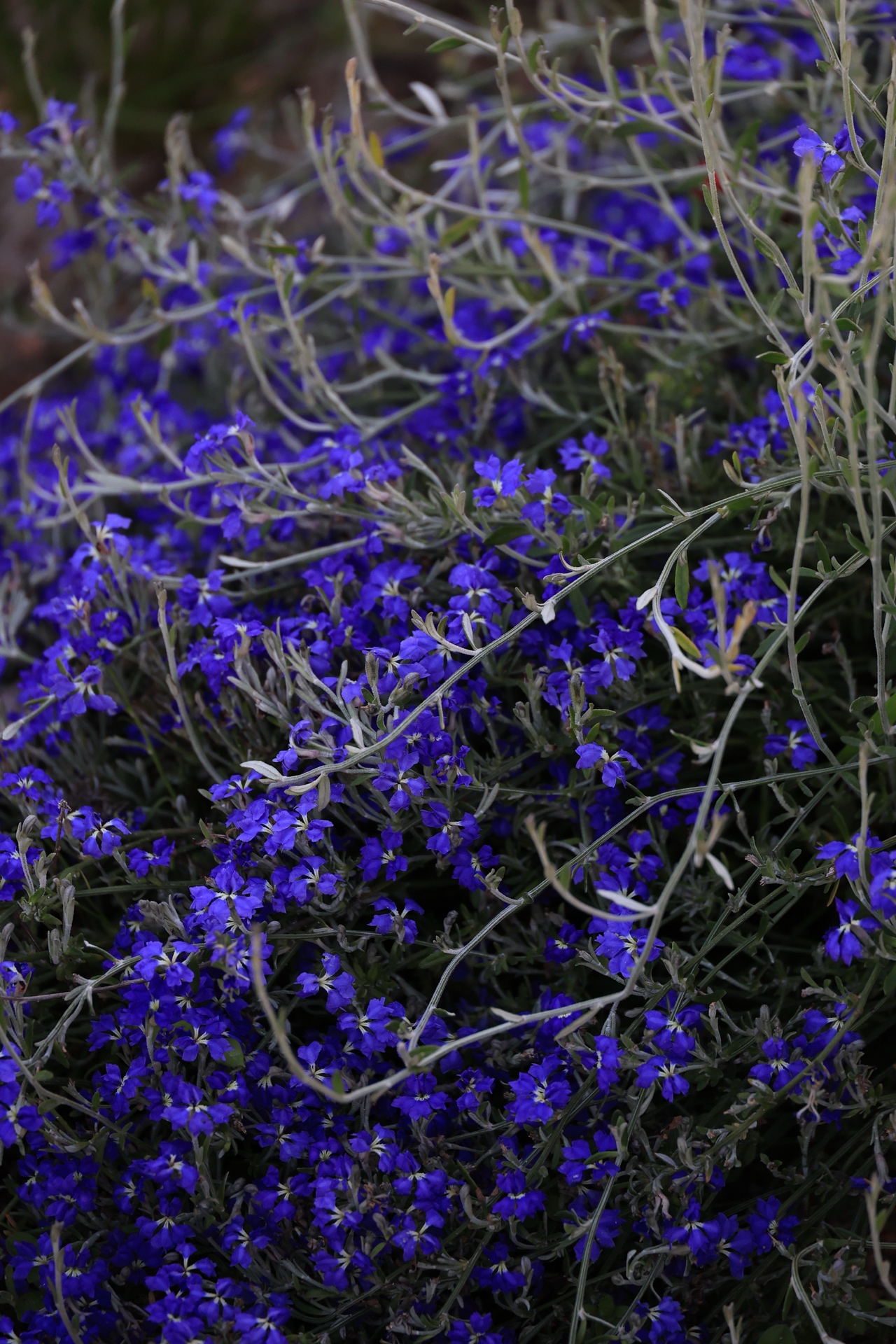
A deep blue lobelia species with silver-grey stems — a striking combination found along the garden paths in winter.
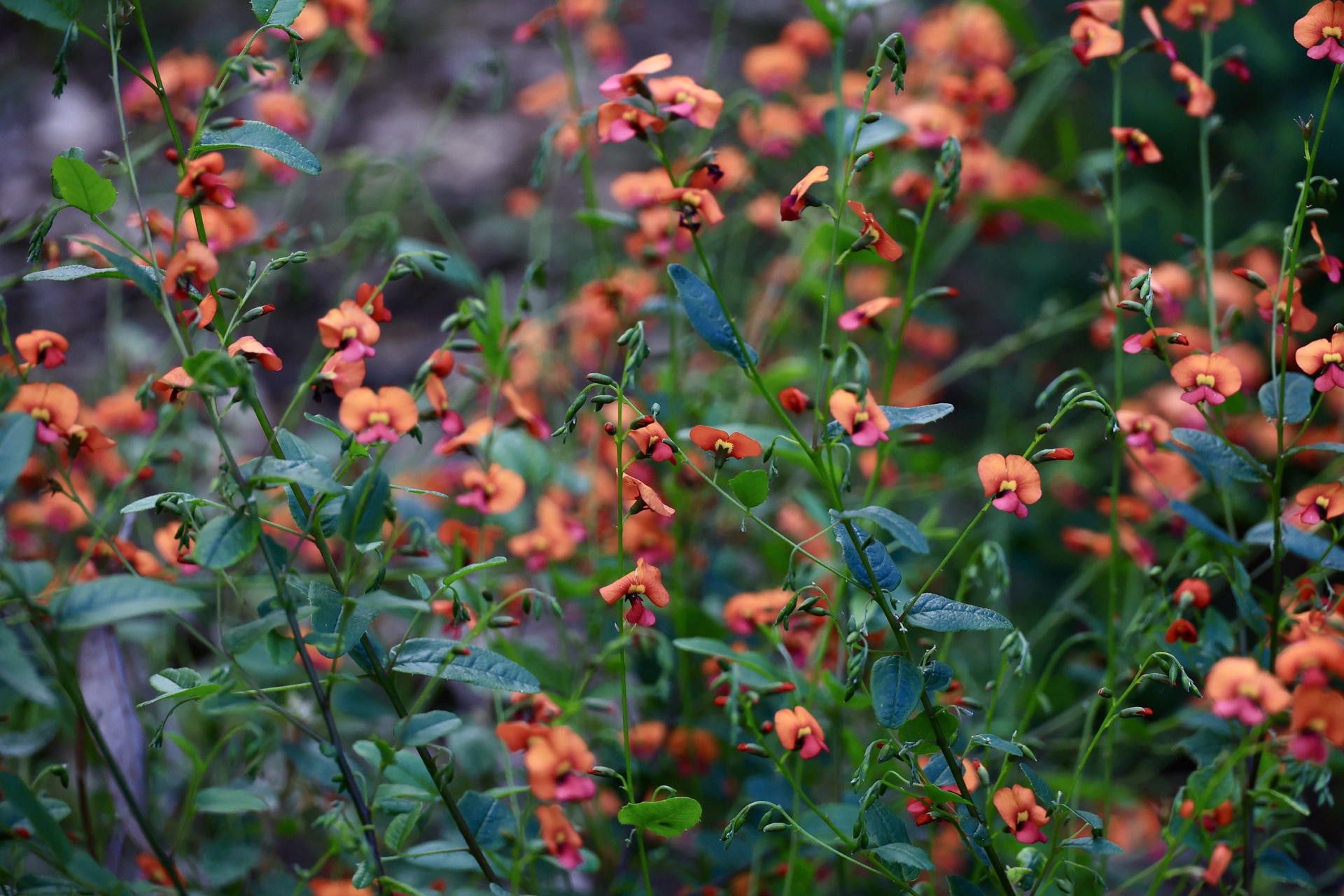
Orange and red native pea flowers add warm contrast to the cooler-toned winter wildflower display.
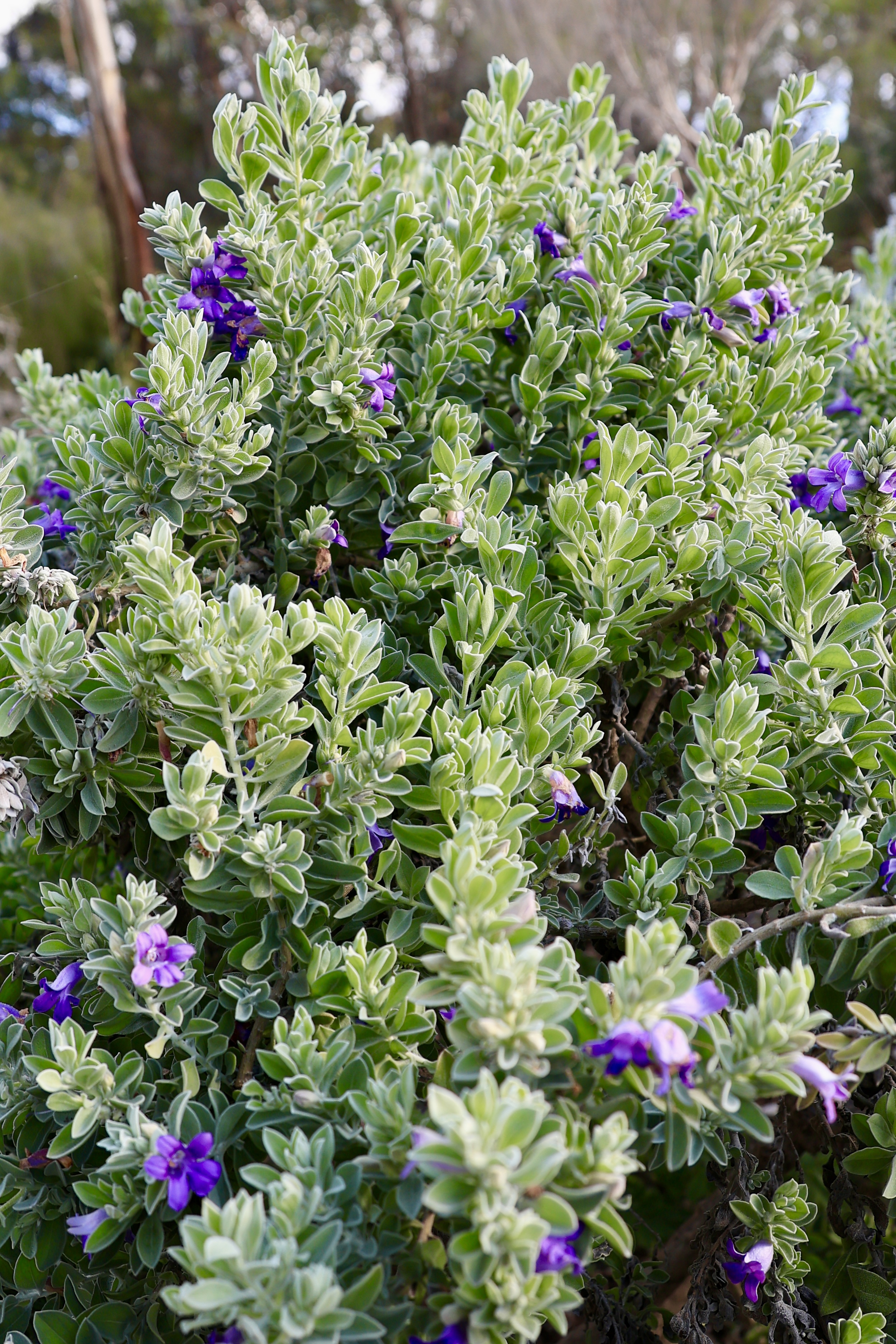
A purple-flowering shrub — likely an Eremophila species — with distinctive silvery-green foliage.
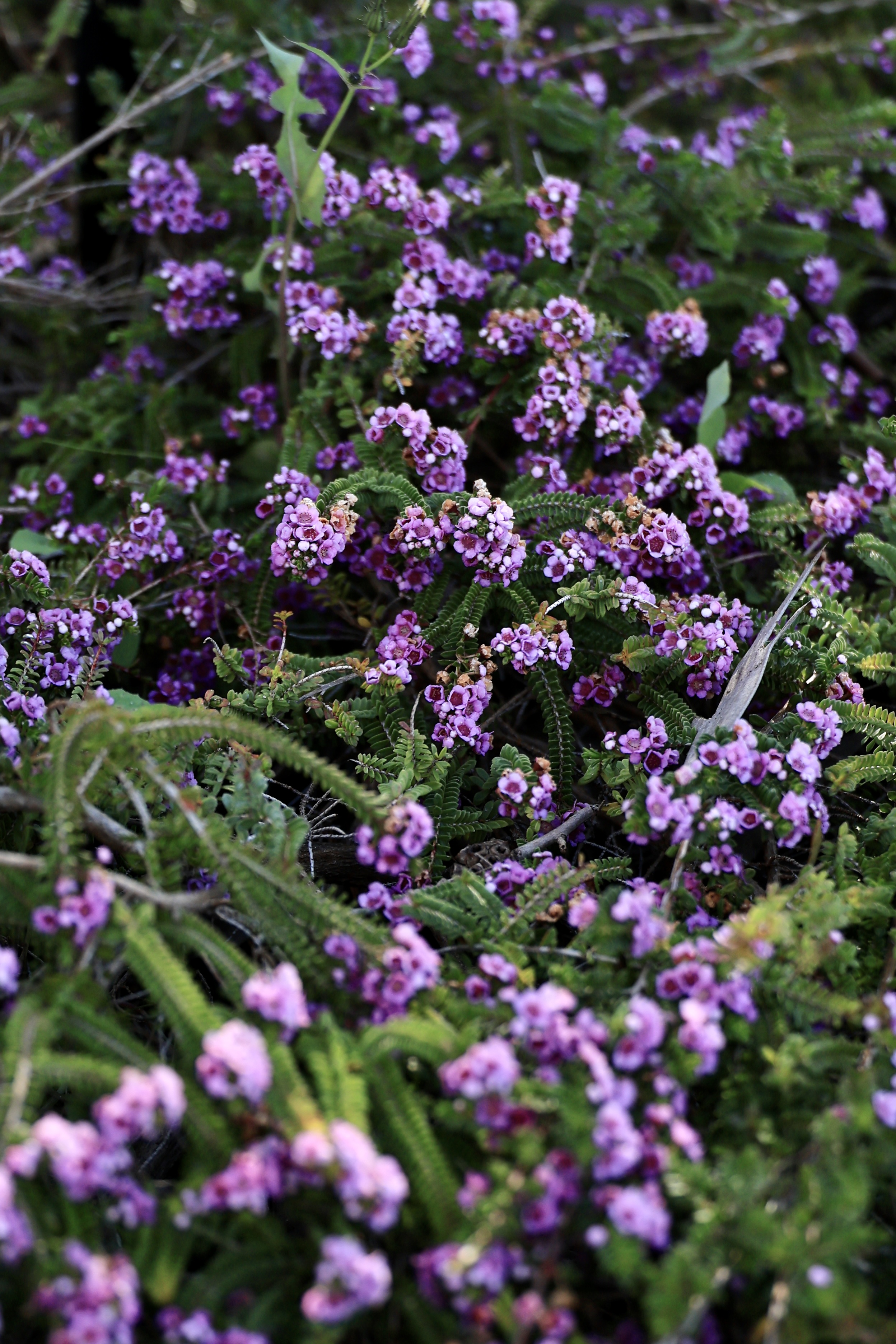
A dense groundcover of pink and purple flowers — the kind of low-growing display that rewards those who look down as well as ahead.
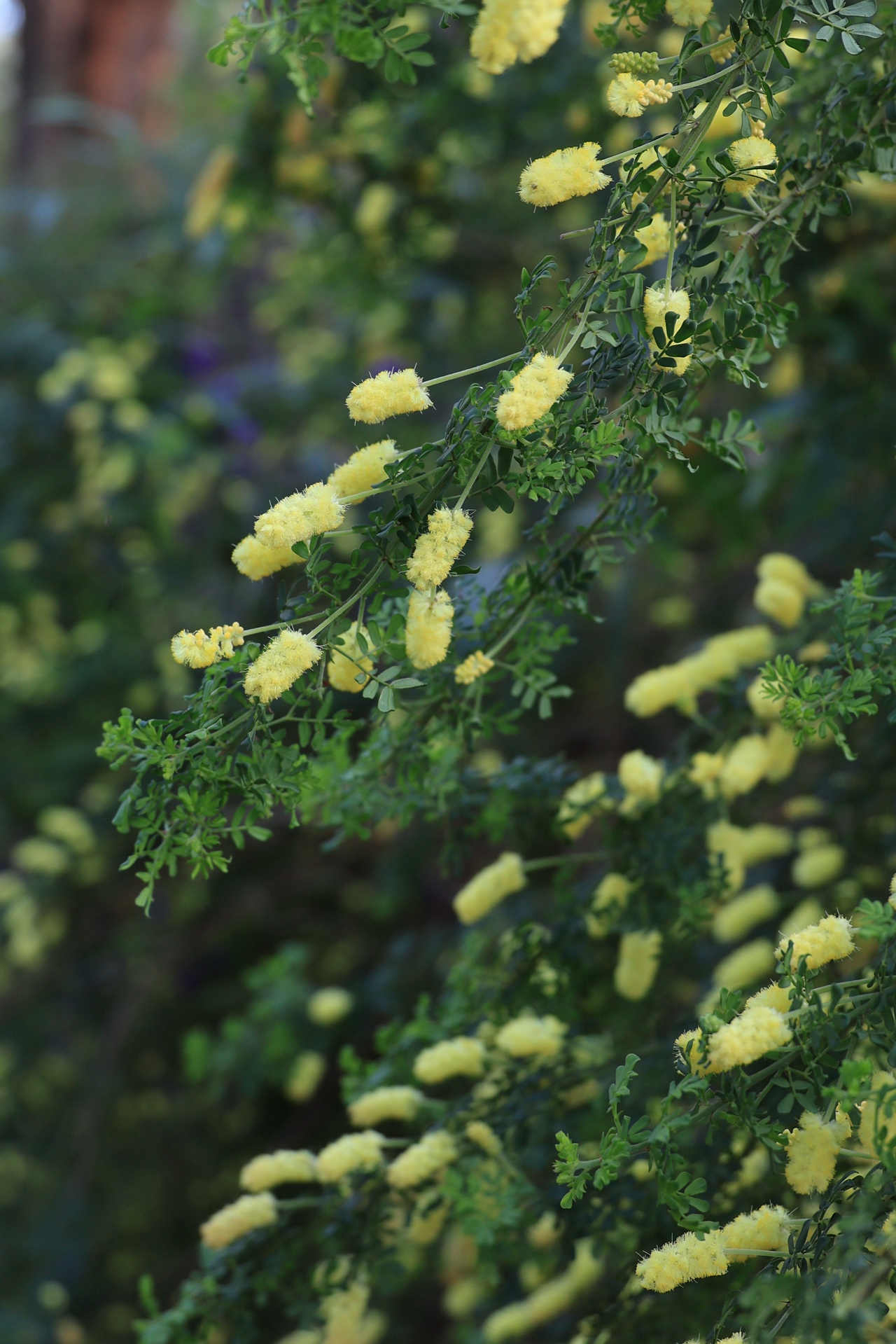
An Acacia species with elongated cylindrical flower spikes — one of several wattle forms on display in the garden.
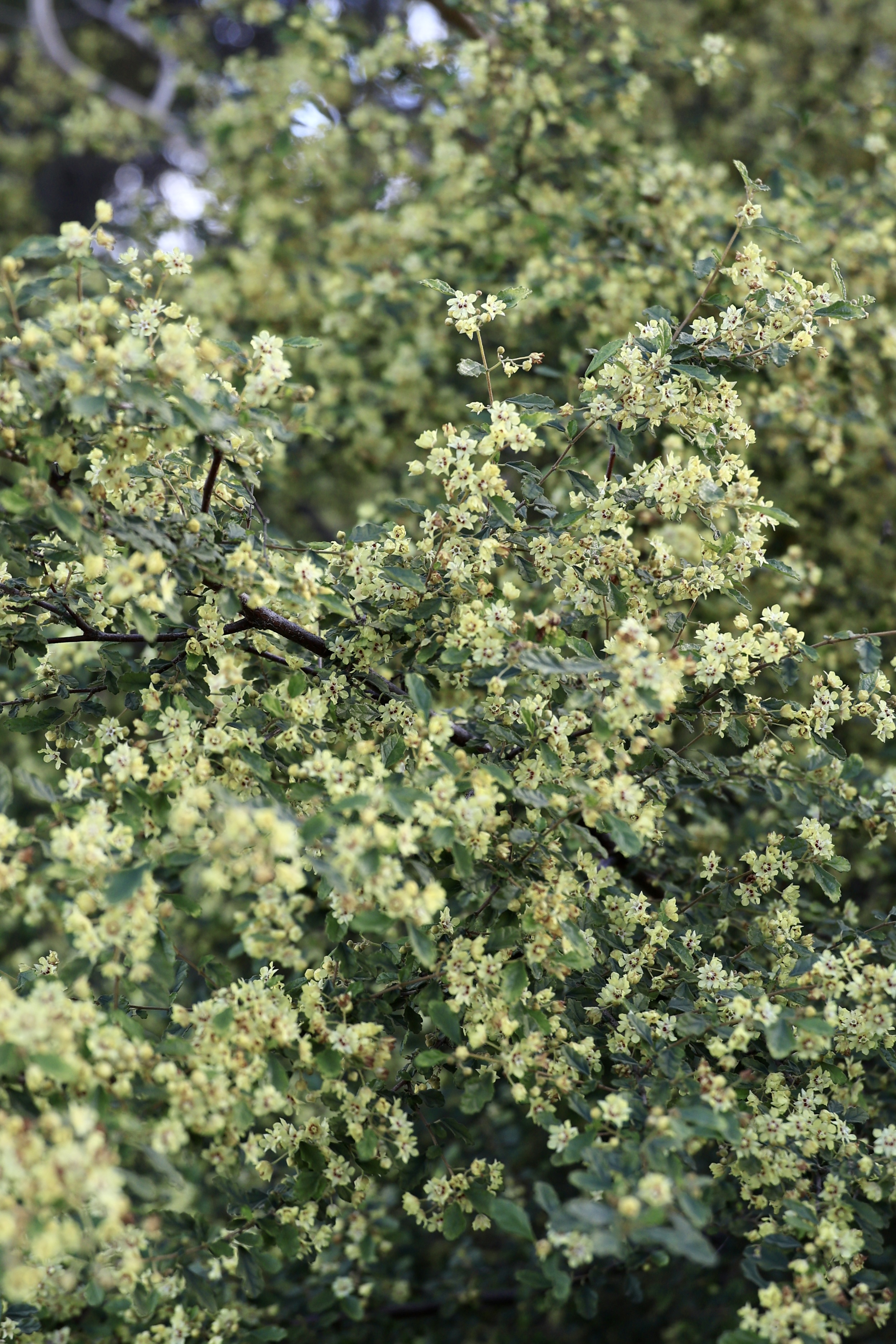
A cream-flowering shrub in full bloom — the garden’s winter display extends well beyond the signature yellows and blues.
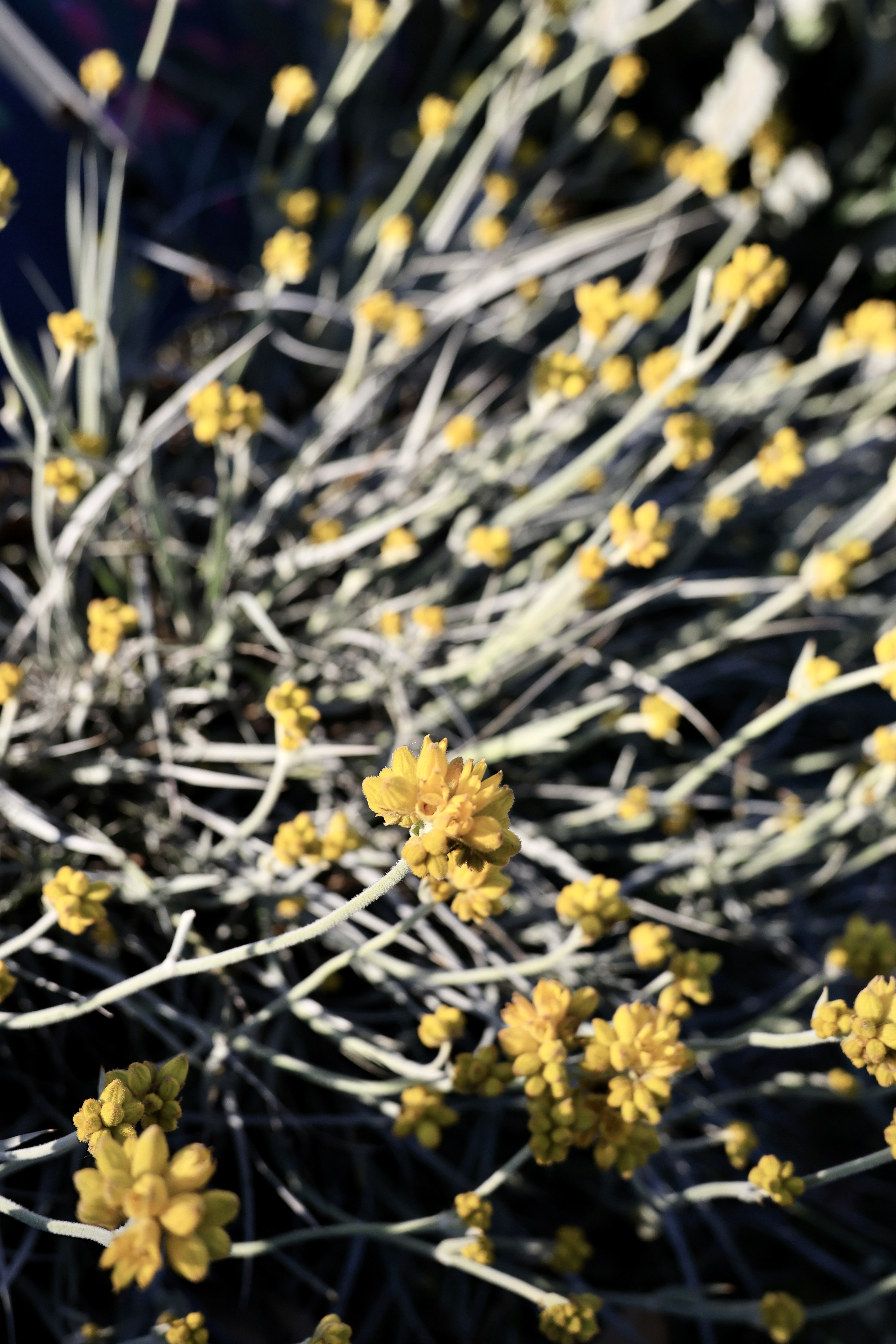
Yellow flowers emerging from pale silver stems — a distinctive textural contrast typical of WA’s arid-zone flora.
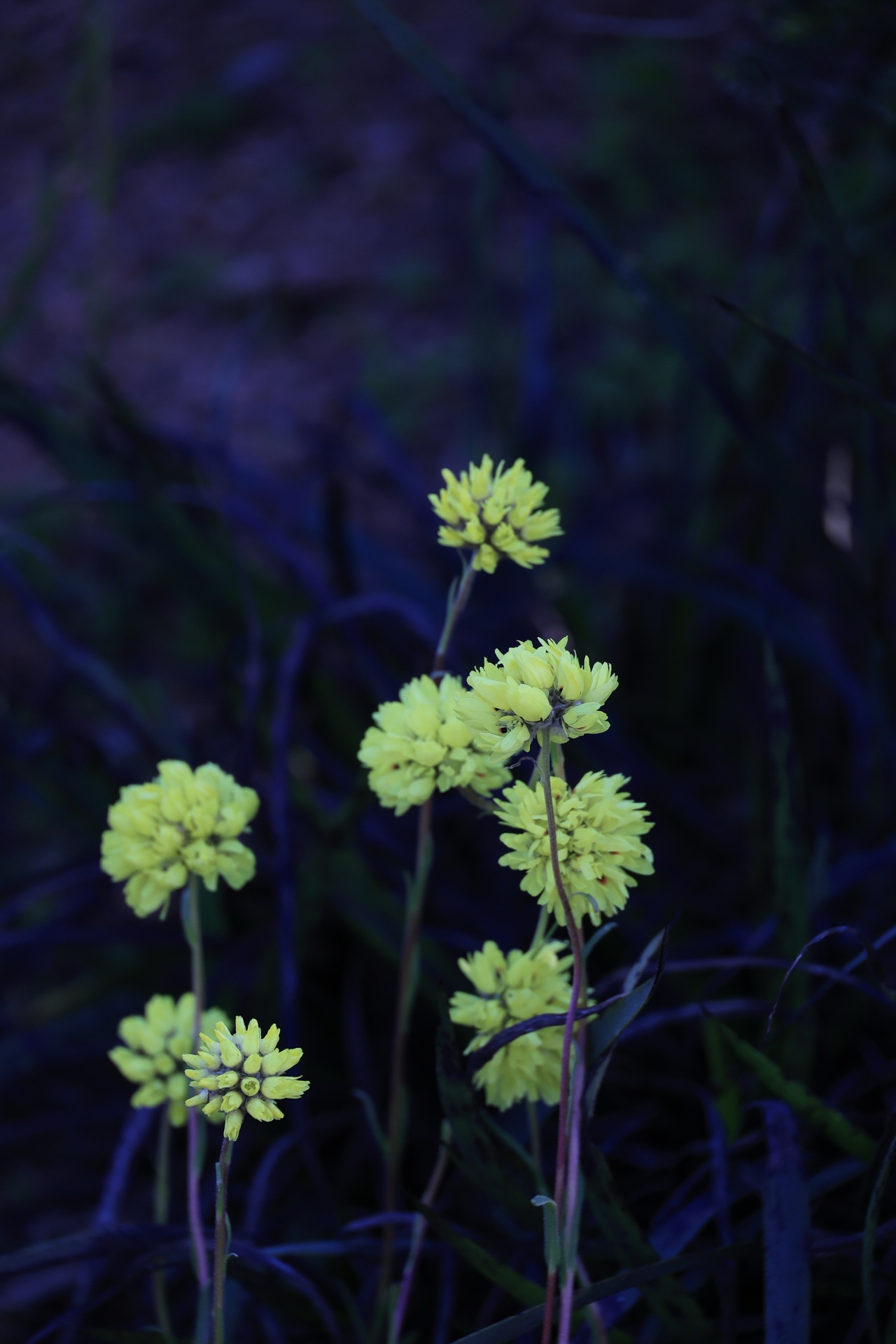
Lime-green pom-pom flowers photographed against a dark background — a reminder that not all of WA’s wildflowers are conventionally colourful.
The View: Perth CBD and the Swan River
One of the most underrated aspects of the Western Australian Botanic Garden is its position. Perched on the western escarpment of Mount Eliza, the garden offers unobstructed views across the Swan River to the Perth CBD and, on a clear day, the Darling Range beyond. The lookout points along the garden’s upper paths are a natural stopping point for families — the kids can run ahead on the path while the adults take in a view that genuinely earns the word “panoramic.”
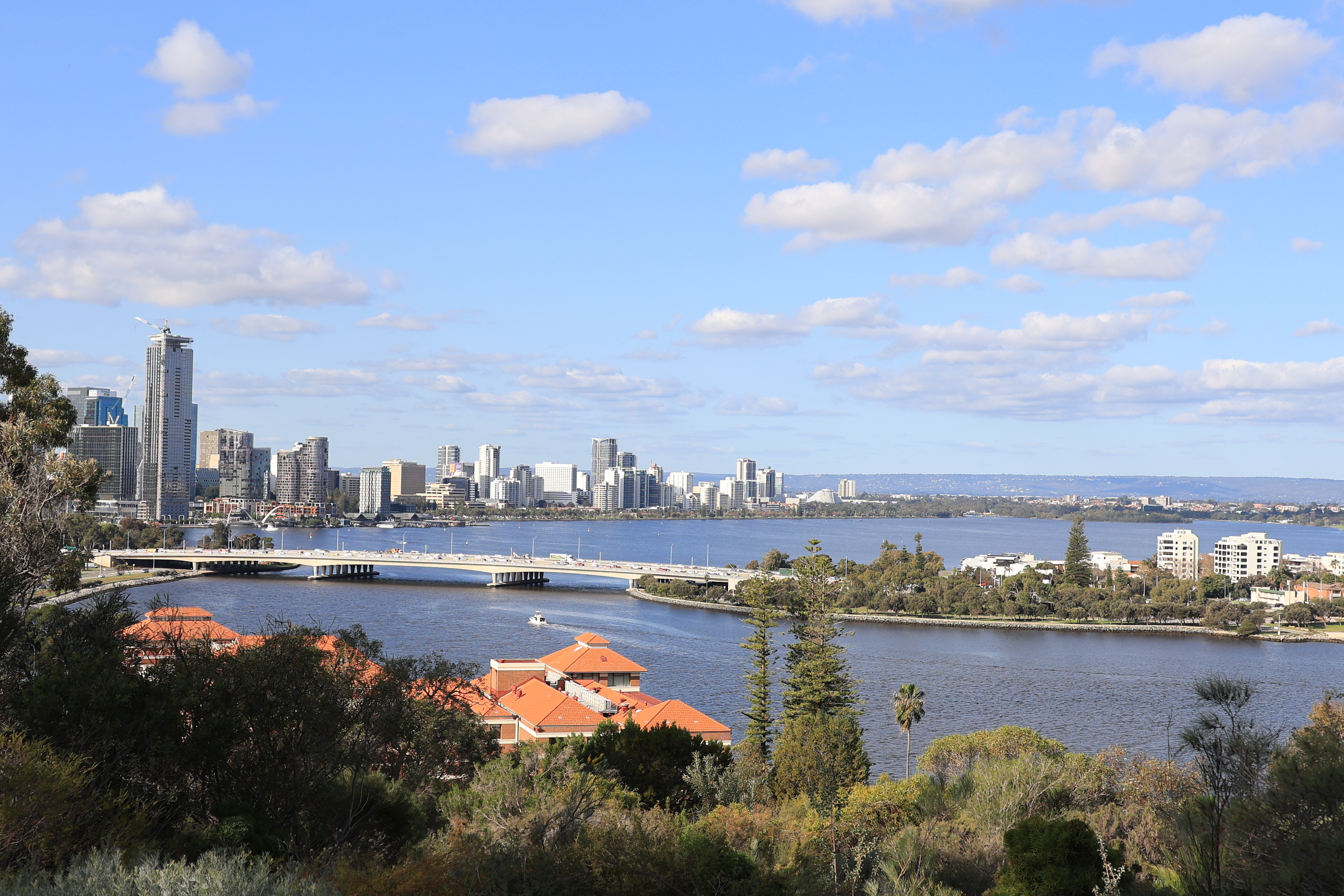
The view of the Perth CBD and Swan River from the elevated grounds of the Western Australian Botanic Garden — one of the finest urban vistas in Australia.
The State War Memorial: A Moment of Reflection
Adjacent to the botanic garden, the State War Memorial Precinct is an integral part of the Kings Park experience. The precinct includes the Cenotaph — unveiled in 1929 — the Court of Contemplation, the Flame of Remembrance, and the Pool of Reflection.[1] The long, tree-lined approach to the memorial, with its avenue of honour plaques dedicated to Western Australian service men and women, is a sobering and dignified space.
For families visiting with older children, this is a meaningful opportunity to discuss history in a context that is tangible and respectful. The memorial is not fenced or ticketed — it is simply there, open and accessible, as part of the public park.
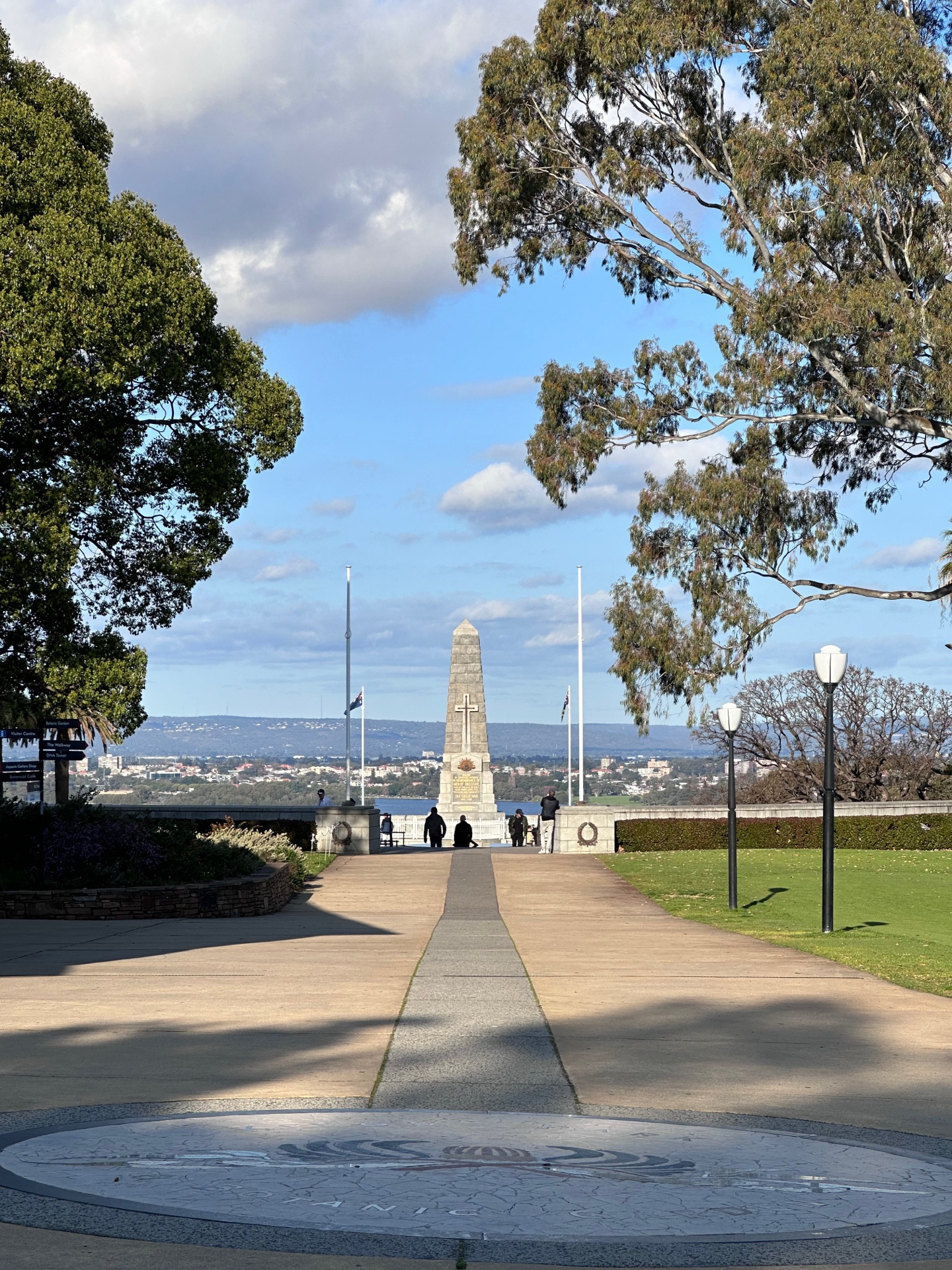
The approach to the State War Memorial at Kings Park — a dignified and historically significant space adjacent to the botanic garden.
What Else Is There for Families?
Kings Park is considerably more than a botanic garden. The precinct contains multiple family-oriented areas that make it a viable full-day destination, particularly for families with children across a range of ages.
| Area | Best For | Key Features | Cost |
|---|---|---|---|
| Rio Tinto Naturescape Kings Park | Ages 5 and up | Creek play, rope structures, aerial walkways, cubby building, billabong boardwalk | Free (Tue–Sun, 9am–4pm) |
| Poolgarla Family Area (formerly Lotterywest / Ivey Watson) | Under 5s | Fenced playground, wooden ship, stained glass house, Koorak Café | Free (9am–5pm daily) |
| May Drive Parkland (Synergy Playground) | Ages 6–12 | Dinosaur/megafauna theme, water play, treetop walkway, Zamia Café | Free |
| DNA Tower | All ages | 15m double-helix staircase tower, 101 steps, panoramic views | Free |
| Western Australian Botanic Garden | All ages | 3,000+ native species, wildflower displays, Swan River views, free guided walks | Free |
The Rio Tinto Naturescape is particularly worth noting for families with school-age children. It is a nature play area designed around unstructured, bushland-style play — creek dams, rope tangles, tree hides, and aerial walkways — and it operates on a capacity-controlled basis. If you are visiting during school holidays or on a weekend, arriving early is advisable as entry can be restricted when the site reaches capacity.[6]
Free guided walks depart daily from Fraser Avenue at 10am and 1pm, led by Kings Park Volunteer Guides. These walks are an excellent way to understand what you are looking at in the botanic garden — the guides are knowledgeable, enthusiastic, and well-versed in both the botanical and cultural history of the park. No booking is required. During wildflower season (August–October), additional specialist walks focusing on the flora are also offered on selected Fridays.[4]
Practical Information for Families
| Item | Details |
|---|---|
| Admission | Free entry to the park and botanic garden |
| Parking | Free at Wadjuk Carpark (up to 4 hours); additional parking available throughout the park[7] |
| Opening Hours | Kings Park is open 24 hours, 7 days. Rio Tinto Naturescape: Tue–Sun 9am–4pm (closed Mondays and all of February) |
| Facilities | Multiple cafés (Botanical Café + Restaurant, Koorak Café, Zamia Café), toilets, Visitor Information Centre, Aspects of Kings Park gift shop |
| Accessibility | Paths and boardwalks are generally accessible for prams and wheelchairs; ACROD bays available at Wadjuk Carpark |
| Public Transport | Transperth bus routes serve Fraser Avenue. Alight at the Wadjuk Way Kings Park War Memorial stop |
| Guided Walks | Free daily at 10am and 1pm from Fraser Avenue. No booking required |
| Best Time to Visit | August–September for peak wildflower season; mornings for cooler temperatures and better light |
Rio Tinto Naturescape Kings Park is closed on Mondays and for the entire month of February due to fire risk. Entry is also restricted on very high fire danger days. If you are visiting with a group of 15 or more, you must book in advance — unbooked groups may be refused entry at busy times. The water features at Naturescape are not suitable for swimming; wading to knee depth only is permitted.[6]
What to Pack for a Winter Visit
- Light jacket or windproof layer (Perth winters are mild but the escarpment catches the breeze)
- Comfortable walking shoes with grip (garden paths are paved but some areas are uneven)
- Water bottles for each family member
- Snacks or a picnic — there are ample lawn areas and picnic spots throughout the park
- Camera or fully charged phone (the wildflower season is genuinely photogenic)
- Change of clothes for children if visiting Rio Tinto Naturescape (creek play is likely)
- Sunscreen and hats (even in winter, Perth UV levels can be moderate on clear days)
- Pram or carrier for toddlers (paths are pram-accessible throughout the botanic garden)
📍 Location Card
| Full Name | Western Australian Botanic Garden, Kings Park, Perth, WA |
| Address | Fraser Avenue, Kings Park, Perth, Western Australia 6005 |
| Managed By | Botanic Gardens and Parks Authority (BGPA) |
| Website | www.bgpa.wa.gov.au/kings-park |
| Phone | +61 8 9480 3600 |
| Google Maps | Open in Google Maps |
| Admission | Free |
| Parking | Free (up to 4 hours at Wadjuk Carpark) |
References
- Wikipedia. Kings Park, Western Australia. https://en.wikipedia.org/wiki/Kings_Park,_Western_Australia
- Botanic Gardens and Parks Authority. Kings Park and Botanic Garden. https://www.bgpa.wa.gov.au/kings-park
- Botanic Gardens and Parks Authority. Celebrating 60 Years of the Western Australian Botanic Garden. https://www.bgpa.wa.gov.au/kings-park/events/celebrating-60-years-western-australian-botanic-garden-state-library
- Botanic Gardens and Parks Authority. Western Australian Botanic Garden. https://www.bgpa.wa.gov.au/western-australian-botanic-garden
- Odyssey Traveller. Kings Park Perth: Guide for Senior and Mature Travellers. https://www.odysseytraveller.com/articles/kings-park-perth-guide-for-escorted-small-group-tour/
- Botanic Gardens and Parks Authority. Rio Tinto Naturescape Kings Park. https://www.bgpa.wa.gov.au/kings-park/attraction/rio-tinto-naturescape-kings-park
- Kings Park Volunteer Guides. Visitor Information Centre — Parking. https://www.kingsparkguides.com.au/visitor-information/