
TOKYO SKY HOP BUS
Your Ultimate Orientation to Tokyo
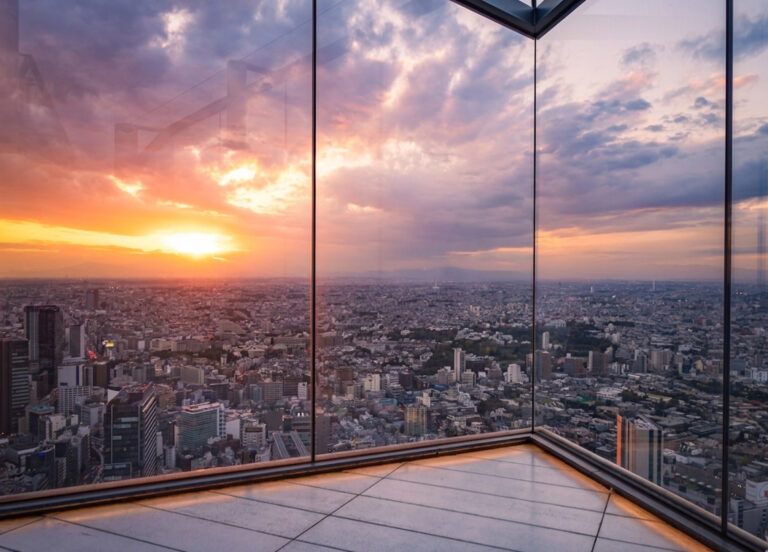
If Shibuya Sky is the ‘glamour shot’ of your Tokyo trip, the Tokyo Sky Hop Bus is the ‘behind-the-scenes’ tour that connects the dots.
As a travel blogger, I usually tell people to stick to the subways, but there is one specific scenario where the bus wins every time: Orientation Day. If you’ve just landed and want to see the scale of the city without diving into the subway labyrinth, this is your best friend. Here’s the breakdown for your 2026 guide.
1. The Three-Route Strategy
The Sky Hop Bus isn’t just one loop — it’s a three-line system (Red, Blue, and Green). One ticket covers all of them, so treat it like a buffet.
Red Course (The Cultural Classic):
Akihabara, Ueno, Asakusa, and Tokyo Skytree. Ideal for that iconic Senso-ji Temple shot followed by the neon chaos of Akiba.

Blue Course (The Waterfront View):
My personal favorite for photography. Hits Tokyo Tower, Ginza, Tsukiji, and the highlight — crossing the Rainbow Bridge to Odaiba. Sitting on the open top deck while gliding over Tokyo Bay is pure cinema.

Green Course (The Modern Hub):
Shinjuku and Shibuya. Perfect for elevated views of the Godzilla building, Shibuya’s massive screens, and the bustling west side from 4 meters up.

2. Why it Beats the Subway (Sometimes)
The Tokyo Metro is faster, but it’s all underground. The Sky Hop Bus helps you actually understand the city’s geography — how Ginza’s luxury transitions into Tsukiji, or how Shinjuku and Shibuya feel from above. For creators, the top deck is a moving tripod: steady, elevated views of street life, architecture, and those iconic vending machines.

3. Essential 2026 Logistics
- Pricing: A 24-hour adult pass costs around ¥4,500 – ¥4,800. It’s a true 24-hour pass (not a calendar day). Start at 2:00 PM on Tuesday? You can ride until 2:00 PM on Wednesday.
- Real-Time App: Download the official Sky Hop Bus app. It shows live GPS bus locations — incredibly useful in Tokyo traffic.
- Starting Point: Most routes originate at the Marunouchi Mitsubishi Building (right outside Tokyo Station) — the easiest spot to switch between Red, Blue, and Green lines.
4. The Photographer’s Toolkit
- The Wind Factor: The top deck is open-air. The breeze on the Rainbow Bridge can be strong — use a neck strap for your camera and skip loose hats.
- Audio Guides: GPS-triggered, multi-language audio is surprisingly good. Great for capturing fun facts for your captions.
- Night vs. Day: Buses typically stop running around 6:00–7:00 PM. For neon night shots, ride the final loops during Blue Hour.
5. Is It Worth It?
Yes, if: You’re traveling with kids, have limited mobility, or are in Tokyo for less than 48 hours and want an easy “greatest hits” overview.
No, if: You’re on a strict budget or a repeat visitor who’s already comfortable with trains.
2026 Hack:
Combine your bus pass with a Shibuya Sky ticket. Take the Green Line to Shibuya, spend 1–2 hours at the observatory, then hop back on toward Shinjuku for dinner. It’s the perfect efficient “High-Low” day.
#TokyoSkyHopBus #TokyoTravel #JapanTravel #SightseeingBus #TokyoSightseeing
Book Your Tokyo Adventure


#JapanTravel #Klook #eSIMJapan #ShibuyaSky #TokyoTravel #HopOnHopOff